For the fourth consecutive year: Comprehensive business benchmark including more than 600 KPIs covering revenue, OPEX, CAPEX, headcount productivity, subscriptions & channels, performance, load, quality and innovation & growth – for 41 functions of mobile, fixed/cable and integrated operators – respectively. Continue reading Nordic operator benchmark 2016→
There has been a lot of talk – and increasing irritation – about pigeonholing, especially the younger (18 to 24 year olds), consumers to a tightly defined segment. Generalisations can be dangerous, especially for those companies that still primarily make the effort of engaging with their customers when they are buying something and spend most of their marketing dollars in digital and other forms of advertising.
But loyalty comes from understanding what makes your customers tick – and this knowledge can only be derived from active conversations with the community, regardless if they are Millennials or those labelled Generation X. Nevertheless, it is useful to understand broadly how the different consumer segments are behaving and what motivates them. But we’ll come back to this in a bit. Continue reading Instant messaging and ad blocking – the new normal?→
Wi-Fi Calling is relatively new – and then, not really. In 2014, Apple’s launch of iOS 8 with embedded Wi-Fi Calling marked a milestone for voice calling with mobile devices, despite several years of Voice over Wi-Fi services in various guises preceding iOS 8.
Aptilo Networks – a leading provider of carrier-class systems to manage data services with advanced functions for authentication, policy control and charging – has released a White Paper titled “Seamless Next Generation Wi-Fi Calling”, which is written by Allan Greve of tefficient.
OpenSignal just issued its first State of Mobile Networks report covering the four Nordic countries Sweden, Denmark, Finland and Norway. Based on 34 million crowdsourced tests taken in Q1 2016, OpenSignal shows which country (and which operator in it) that has the best:
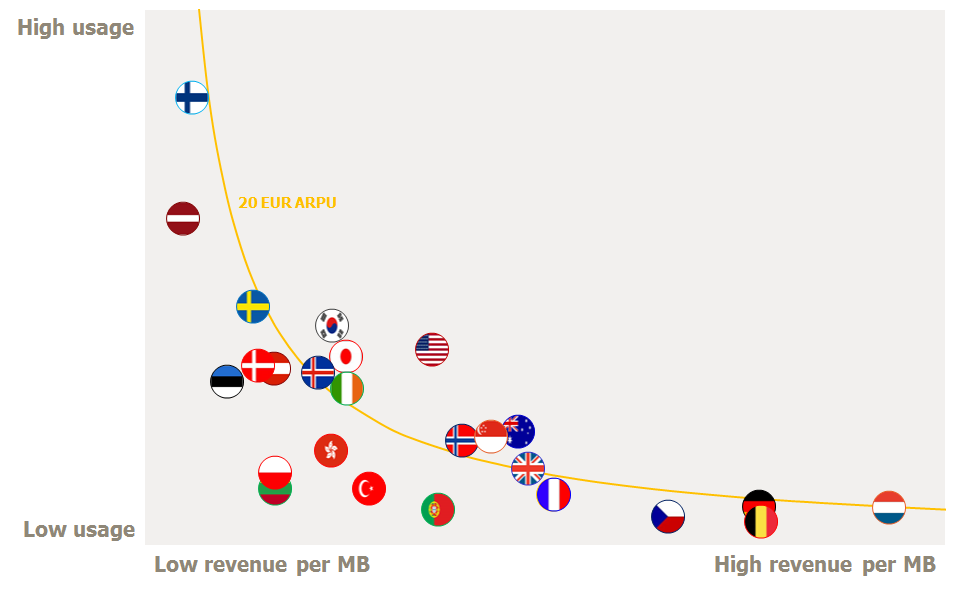
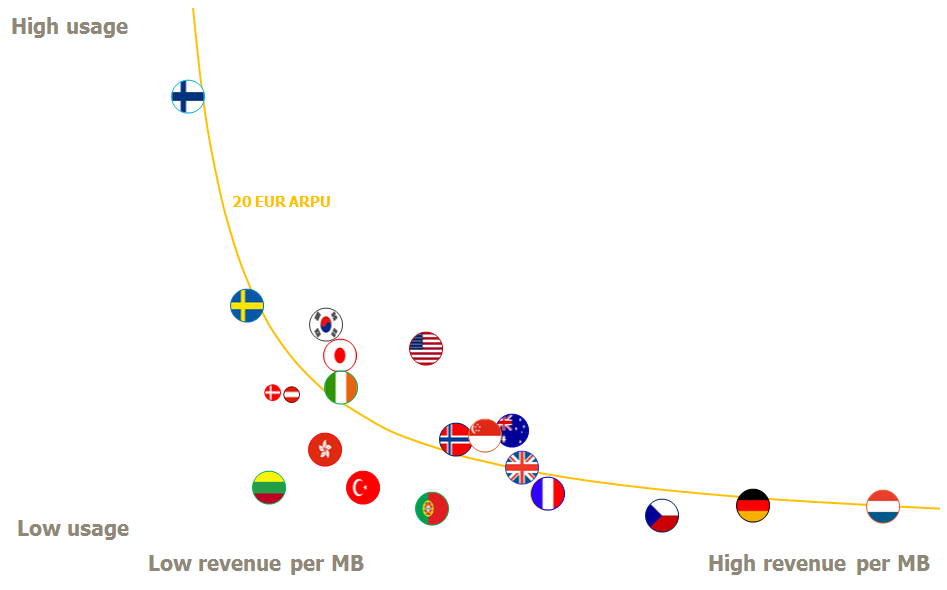
This innocent tweet – based on official statistics from the German and Finnish telecom regulators – has currently been read by more than 90 000 people:
Finland, with 5.5M people, overtook Germany (with 80M) in total mobile data traffic in 2015. pic.twitter.com/fOZnEiIrLd
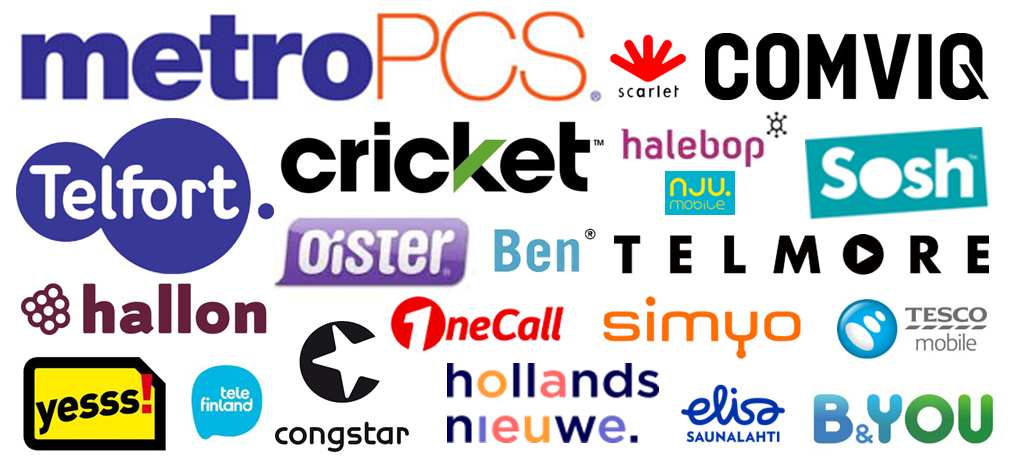
Even though there are some high-profiled exceptions (Verizon, most of Vodafone Group and Free to mention three), few telcos are today trusting its ability to attract all customer segments – across consumer and business markets – with one single brand.
Having one or several sub-brands has become the norm of a modern telco. In some cases, e.g. with KPN’s Telfort and TDC’s Telmore, sub-brands have been added as a result of acquisitions (often of a successful disruptive brand). In other cases, e.g. Orange’s Sosh or 3 Denmark’s Oister, telecos have themselves created the sub-brand – often with the intention to isolate the main brand from a new price fighter brand. Continue reading When your sub-brand takes over→
Measure, compare and improve competitiveness in telecoms